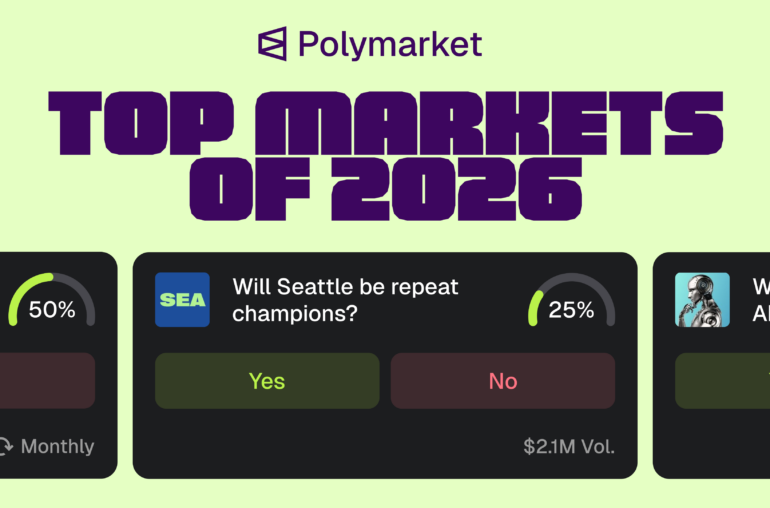
Ethereum prediction markets have exploded in 2026, with Polymarket and Kalshi processing billions in volume as traders seek alternatives to traditional sportsbooks and financial markets. These blockchain-based platforms allow users to trade on real-world event outcomes using smart contracts, creating trustless markets that aggregate collective intelligence across politics, economics, sports, and emerging climate topics.
Ethereum Prediction Markets: Complete 2026 Trading Guide
- Polymarket dominates as the world’s largest crypto-based prediction market with deep liquidity
- Kalshi offers CFTC-regulated event contracts for U.S. traders seeking legal compliance
- Successful traders use spread trading strategies rather than simple directional bets
- Analytics tools like HashDive and Polysights are essential for identifying arbitrage opportunities
- The CFTC’s exclusive jurisdiction over event contracts has legitimized the asset class in 2026
How Ethereum prediction markets work and their key platforms
Ethereum-based prediction markets explained: Trading real-world events with crypto
Ethereum prediction markets operate through smart contracts that automatically execute trades and payouts based on verified event outcomes. Unlike traditional sportsbooks that act as counterparties, these decentralized platforms match traders directly, eliminating the house edge while providing transparent, immutable records of all transactions. The “wisdom of crowds” phenomenon makes these markets particularly valuable for forecasting elections, economic indicators, and other events where collective intelligence often outperforms individual experts.
The technology enables trading on outcomes ranging from Federal Reserve interest rate decisions and Consumer Price Index releases to political elections and sporting events. Smart contracts ensure that winning traders receive automatic payouts without intermediaries, while the blockchain provides audit trails that regulators and participants can verify independently. This combination of trustless execution and broad event coverage has driven explosive growth in 2026, with platforms processing billions in trading volume monthly.
Key platforms comparison: Polymarket vs Kalshi vs Novig
Polymarket stands as the world’s largest crypto-based prediction market, offering deep liquidity and access to international politics, economic indicators, and niche markets that traditional platforms ignore. The platform’s crypto settlement allows for faster transactions and lower fees compared to fiat-based alternatives, attracting traders who value efficiency and global accessibility.
Kalshi operates as a CFTC-regulated, U.S.-based exchange that provides federally sanctioned event contracts for American traders. The platform specializes in economic indicators like Federal Reserve decisions, weather events, and sports markets, offering compliance-focused traders the legal certainty that comes with regulatory oversight. This regulatory framework has attracted institutional participants who require the legitimacy and consumer protections that CFTC regulation provides.
Novig differentiates itself through a peer-to-peer sports prediction model that eliminates the traditional house edge. By connecting traders directly, Novig offers more competitive odds and transparent pricing compared to conventional sportsbooks. The platform’s focus on sports markets appeals to bettors who want the efficiency of prediction markets combined with the familiarity of sports betting.
Top Ethereum prediction market platforms and their features
Polymarket: The world’s largest crypto-based prediction market
- Deep liquidity: Processes billions in monthly volume with tight bid-ask spreads
- Wide event coverage: Politics, economics, sports, climate, and emerging science topics
- Crypto settlement: Ethereum-based transactions enable fast, low-cost settlements
- Largest userbase: Over 2.3 million active traders as of March 2026
- Institutional adoption: Growing participation from hedge funds and market makers
- Global accessibility: Available worldwide except for restricted jurisdictions
Kalshi: CFTC-regulated event contracts for U.S. traders
- Regulatory compliance: First CFTC-approved Designated Contract Market for event contracts
- Economic focus: Specializes in Federal Reserve decisions, CPI rates, and economic indicators
- Weather markets: Unique offering of weather-based event contracts
- Sports markets: Expanding into traditional sports betting territory
- Legal certainty: Provides U.S. traders with federally sanctioned trading environment
- Institutional trust: Attracts compliance-conscious institutional investors
Analytics tools: HashDive and Polysights for market intelligence
- Smart Scores: Track trader performance and market sentiment indicators
- P&L monitoring: Real-time profit and loss tracking across multiple positions
- Arbitrage detection: Identify price discrepancies between platforms
- Market sentiment analysis: Gauge collective market expectations
- Historical data: Access to comprehensive market data for strategy development
- Automation tools: API access for algorithmic trading strategies
Trading strategies and tools for Ethereum prediction markets
Spread trading: Profiting from market volatility instead of direction
Spread trading represents the sophisticated approach that separates professional traders from amateurs in prediction markets. Rather than simply betting on whether an event will occur, spread traders buy contracts at lower prices and sell them at higher prices as market sentiment shifts. This strategy profits from volatility and information flow rather than requiring correct directional predictions. For example, a trader might buy a “Yes” contract at 40 cents and sell it at 60 cents as new information emerges, capturing the 20-cent spread regardless of the final outcome.
The advantages of spread trading include reduced directional risk and the ability to profit from market inefficiencies. Professional traders use technical analysis, sentiment indicators, and real-time news to identify mispriced contracts and execute rapid trades. This approach requires deeper market knowledge and faster execution but offers more consistent returns than simple directional bets, especially in volatile markets where prices fluctuate significantly before resolution. Predictionmarketnews.co
Arbitrage opportunities and market making in prediction markets
Market makers play a crucial role in prediction markets by providing continuous liquidity through simultaneous buy and sell quotes. These participants capture bid-ask spreads while helping to stabilize prices and reduce volatility. Successful market making requires sophisticated inventory management, automated trading systems, and deep understanding of market microstructure. Traders who master these skills can generate consistent returns by providing essential market-making services.
Arbitrage opportunities arise when the same event is priced differently across platforms or when new information creates temporary price discrepancies. For instance, if Polymarket prices a political outcome at 55 cents while Kalshi prices it at 60 cents, arbitrage traders can profit from the difference. These opportunities are often short-lived but can be highly profitable for traders with fast execution capabilities and access to multiple platforms. Automation tools and real-time data feeds are essential for identifying and exploiting these inefficiencies. trang Predictionmarketnews
Risk management and regulatory considerations
The CFTC’s exclusive jurisdiction over event contracts in 2026 has created a clearer regulatory framework for prediction markets, but significant risks remain. Traders face potential loss of principal, platform counterparty risks, and the challenges of valuing complex event contracts. The regulatory clarity has attracted more institutional participation but also means traders must comply with reporting requirements and anti-money laundering regulations. Thorough research and understanding of both the markets and the regulatory environment are essential before committing capital. read more
The convergence of crypto and traditional finance through Ethereum prediction markets represents a fundamental shift in how markets aggregate information. Start with Polymarket’s demo mode to practice spread trading strategies before committing real capital, using the analytics tools mentioned to identify your first arbitrage opportunity. The combination of blockchain technology, regulatory clarity, and sophisticated trading strategies has created unprecedented opportunities for traders who understand this emerging asset class.
Frequently Asked Questions About Ethereum Prediction Markets
How do Ethereum prediction markets work?
Ethereum prediction markets use smart contracts to create and settle bets on future events, with outcomes automatically determined by oracles. Users trade prediction tokens representing different outcomes, and the market price reflects the collective probability of each outcome.
What are the top Ethereum prediction market platforms?
Leading Ethereum prediction market platforms include Augur, Gnosis, and Polymarket, each offering decentralized betting on events like elections, sports, and crypto prices with varying fee structures and liquidity models. For traders interested in prediction betting, these platforms provide different approaches to wagering on real-world outcomes.
What features do Ethereum prediction market platforms offer?
Key features include decentralized governance, automated smart contract settlements, oracle-based outcome verification, and token-based trading systems that allow users to bet on real-world events without intermediaries.